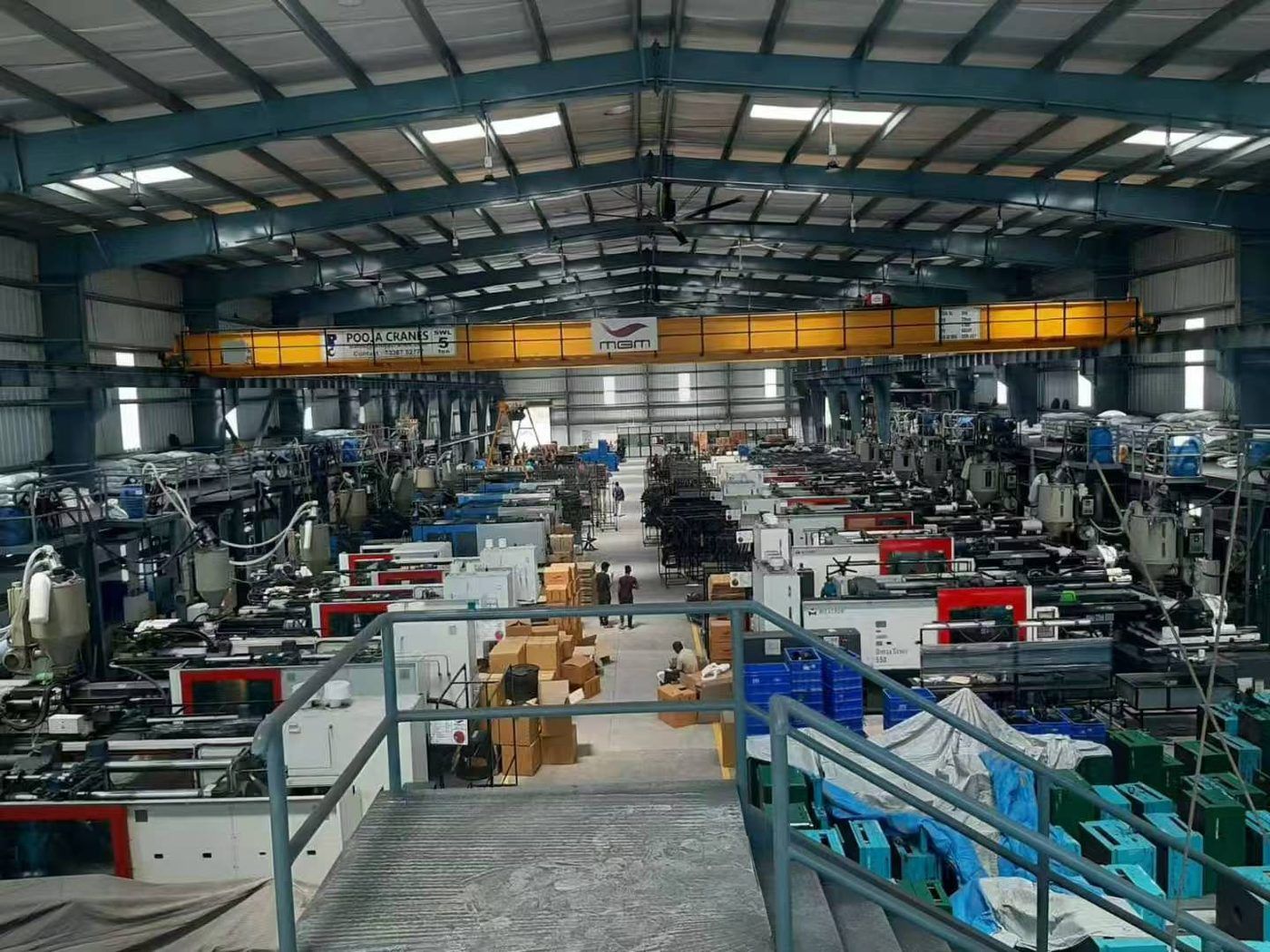
Most buyers look for a reliable supplier the way they look for a hotel: a good website, a fast reply, a friendly price. Then they find out in container three that the "factory" was a two-room sales office renting capacity from someone else, and that the person who was so responsive last month has stopped answering the phone.
I spent years on the buyer's side in the US — assembling chairs on my knees in customers' offices in Orlando, Florida — and then I owned the other side: a 10,000 m² seating plant in Zhejiang with 100+ staff, shipping up to 20,000 chairs a month, certified to BIFMA X5.1 and EN 1335. I have been the supplier buyers distrusted, and the buyer suppliers feared. The vetting sequence below is what I actually run today, and it has almost nothing to do with how polished a supplier looks.
1. "Reliable" is not a personality — it is a system you can inspect
Buyers talk about reliability as if it were a character trait: are they good people? It is not. Reliability is the output of four things you can check with your own eyes:
- Capability — can the plant physically make your product, at your volume, in your timeline?
- Process — is there a written standard, or is every order improvised by whoever is on shift?
- Transparency — will they show you the boring, unflattering parts of the operation?
- Response under pressure — what do they do the first time something goes wrong?
Three of those four you can verify before the first deposit. The fourth you cannot verify at all until it happens — which is exactly why you must test a supplier small before you test them big.
2. First question: is this a factory or a trader?
There is nothing wrong with a trading company. There is something wrong with a trading company pretending to be a factory, because you are then paying factory economics for trader overhead while carrying factory-level risk — especially on tooling, spec changes and QC.
The distinction is not visible on a website. It is visible in four answers:
- What is your business licence scope? Ask for the licence (营业执照) and read the scope. A manufacturer's scope says manufacturing/production. A trading scope says sales, wholesale, import-export. Both are legitimate — but now you know which one you are talking to.
- Which entity exports the goods? On the export documents, whose name sits as the shipper? If the shipper is never the company you signed with, ask why in writing.
- Which of your core components are made within 50 km? A real plant answers this instantly: "the gas lift comes from a supplier 20 minutes away, foam from the next town, castors from the cluster." If the answer is vague, your lead time will be vague too.
- Can I see the packing line on a live video call, unannounced? Not the showroom — the packing line, on a working day. A factory says yes and complains about the mess. A trader says the line is "in another building".
Checklist item: write down which of the four answers were specific. Two out of four vague is not a red flag yet — it is a request for more evidence. Four out of four vague is your answer.
3. Second question: does the money match the name?
This is the single most important control in cross-border sourcing, and it is free. The bank account you pay must belong to the same legal entity that signed your contract.
Not a "sister company". Not a director's personal account. Not an account in another province with a similar name. If the account name and the contract entity do not match, you have no enforceable relationship with the money — and in the worst case, you have been invited into a payment-diversion fraud that has cost buyers millions.
Hard stop, no exceptions: if anyone emails you a changed bank account — new bank, new beneficiary, "the old account is under audit" — stop and phone the person you already know, on a number you already had. This is the most common and most expensive fraud in the trade, and it usually arrives as a perfectly worded email from an address one character off the real one.
Checklist item: before the first deposit, verify the beneficiary name against the contract entity, verify the entity against the business licence, and keep that triple-check in writing. It takes ten minutes and it protects the entire order.
4. Third question: will they show you the boring documents?
Every supplier can send a beautiful catalogue. Reliability lives in the paperwork nobody puts on the homepage.
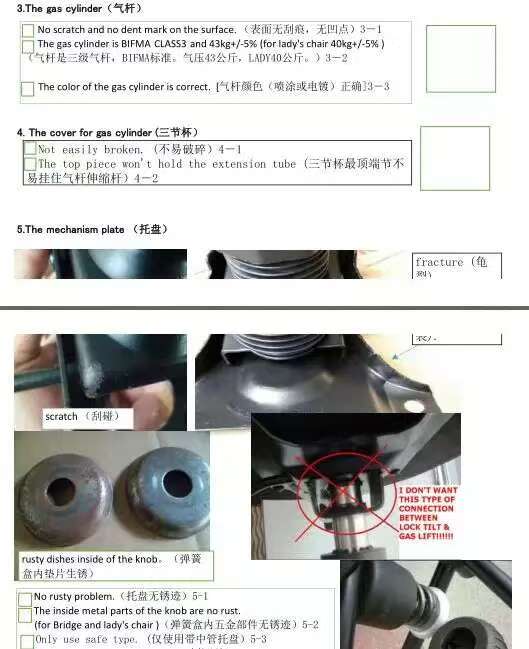
Ask for these four, and watch how they answer as much as what they send:
- Test reports for your exact model — not the plant's general certificate. BIFMA X5.1 for the US, EN 1335 for Europe. Then ask which third-party lab ran them and when. A chair that fails these is not a discount; it is a recall with your logo on it.
- The inspection sheet they use on the line — the actual form, with rejection criteria. If the answer is "we do 100% inspection", ask for the form; you will learn in one minute whether quality is a system or a slogan.
- Component sources and grades — gas lift class, foam density, fabric composition, caster durability. These are what your customers actually feel at month three.
- Two or three current export customers you may contact — with a market similar to yours. Any serious factory can give you a reference. Ask those references one question: what happened the last time something went wrong?
5. Fourth question: what do they do when something breaks?
In 2017 the plant I owned caught fire. I know what it is like to stand in front of customers and tell them the truth about a delivery that is not going to happen on time.
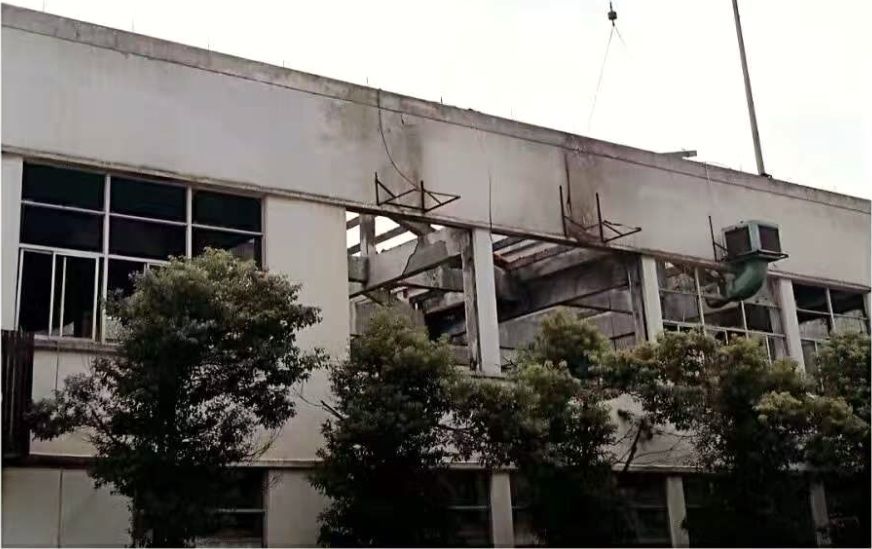
What that experience taught me is that a supplier's reliability is not measured on the good day — it is measured in the first 48 hours after the bad one. Three questions get you there in a normal conversation:
- "What is your second production line if the first one stops?" A plant that subcontracts nothing, and has no overflow partner, is one accident away from being your problem.
- "Who is my named contact, and what happens when he is on holiday?" Single-point-of-failure is a structural risk, not bad luck.
- "If a spec change is needed mid-production, what is the process?" The right answer sounds bureaucratic: written change request, new signed sample, updated price, updated lead time — in that order. A factory that answers "we can just adjust it" is telling you that nothing on your order is actually controlled.
Containers that go wrong almost never fail on engineering. They fail on communication that quietly stopped.
6. The six-week test: one container, one problem, watch the response
No amount of due diligence replaces one small live order. Before the big contract, run a test order and treat it as a paid exam:
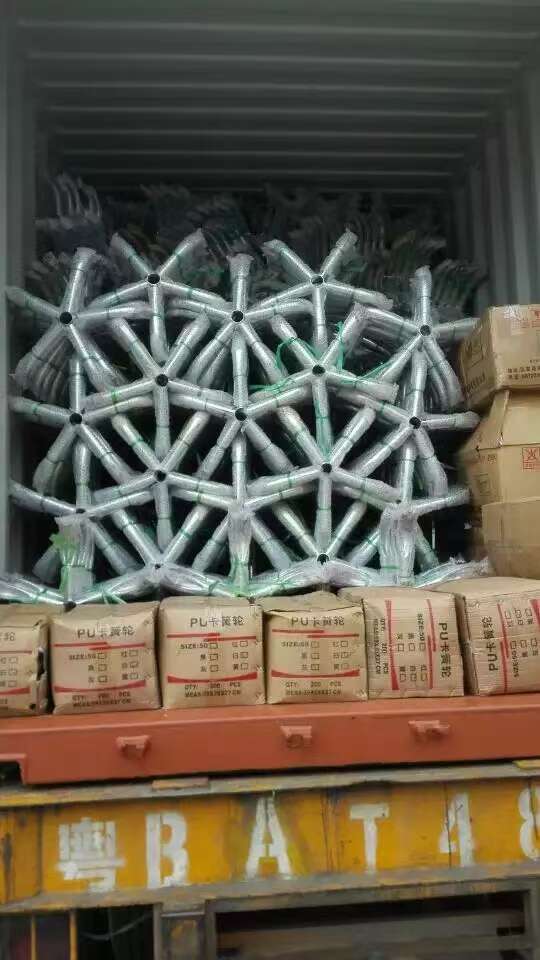
- Golden sample, signed by both sides. One copy stays in the factory, one stays with you. Every future dispute ends at this sample, not at memories of a video call.
- Mid-line spot check, not just final inspection. A defect caught while the goods are being built costs hours of rework. The same defect caught at final inspection costs the delivery date. Caught by your customer, it costs the relationship.
- One deliberate small problem. Ask for a real change — a different fabric lot, a tighter carton spec — and watch how long the answer takes and whether the price and lead time come back updated in writing.
- Payment terms that keep both sides honest — for a first order, a deposit with the balance against inspection before shipment is normal and reasonable. Refusing any inspection-linked balance is information.
Checklist item: after the test order, score them on response time and accuracy of the written update, not on price. Price is what you compared in the beginning; these two are what you will live with for years.
7. The walk-away list
I have ended conversations over most of these. None of them is about being difficult — they are all about whether the relationship can survive its first mistake:
- An email asking to change the beneficiary bank account.
- Refusal to show the production line on a live call, or a "factory tour" that never leaves the showroom.
- A quotation that is dramatically below every other comparable offer on the same spec — something is missing, and you will find out what it is after the deposit.
- Sample and mass production that differ in weight, finish or packaging, with the explanation "this is normal".
- No written quality standard, no signed sample, no rejection criteria.
- Vague answers about MOQ, tooling ownership and lead time — vagueness in the cheap questions predicts vagueness in the expensive ones.
8. Where the reliable ones actually are
Good suppliers are not found by searching harder. They are found in three places:
- The industrial belt itself. Office seating is made in Anji (Zhejiang) — the densest chair cluster in the world — plus Foshan (Guangdong) and a few satellite belts. Being inside the belt means components, tooling and skilled labour are within an hour; that is what makes recovery possible when something goes wrong.
- By referral from people who already buy. The best factories I know do not advertise for new small buyers. They are introduced. If you are buying directly, the fastest route in is a reference from an existing customer in a market you do not compete in.
- By someone who has sat on both sides. Which is the honest version of what I do now: I no longer own a factory, so I can walk into ten of them and tell you which one fits your product and your market — and, more usefully, which one to avoid.
If you are at the stage of choosing the right factory rather than vetting one already on your shortlist, the earlier note in this journal — how to source office chairs from China — covers the belt, the golden sample, tooling ownership and container mathematics in the same checklist format.
Want to see this standard applied from the other side of the table? The platform we run — SEATZONE's manufacturing network page — is written to the same test: named origins, packing mathematics, MOQ and warranty in plain sight. Hold any supplier's page up against it.
The one-sentence version
You are not buying furniture; you are buying the probability that the same product arrives the same way next time — so verify the entity that takes your money, the line that makes your goods, the document that defines your quality, and the person who picks up the phone on the bad day. Everything else is a quotation.
Vetting a supplier right now, or deciding between two?
Send me the situation — product, volume, market and what you have already checked. You get an honest answer within 24 hours, including "this one, not that one" and the reasons.
Chat on WhatsApp Email StevenView our commercial lines Ask for a quote
Why those pages publish numbers and origins instead of promises: the GHLA method — we start with people, then build the seating.